.svg)


.svg)
.svg)
.svg)
While Mother Nature does an excellent job maintaining natural bodies of water like lakes, rivers, and oceans, man-made swimming pools require hands-on care. For pool owners, effective pool maintenance is essential to keeping water clean, equipment running efficiently, and swimmers safe. This is where the experience of pool contractors and pool builders becomes especially valuable.
This updated guide provides a refreshed, in-depth look at pool maintenance, incorporating modern best practices while maintaining the same trusted approach pool owners have relied on for years.
Understanding the Importance of Regular Pool Maintenance
Regular pool maintenance goes far beyond appearance. Proper pool maintenance protects swimmer health, prevents algae and bacteria growth, preserves water balance, and extends the life of pool equipment. A consistent maintenance routine also helps avoid costly repairs down the road. Pool contractors and pool construction professionals often emphasize that proactive pool maintenance is far more effective—and affordable—than reactive fixes.
Weekly Pool Maintenance Checklist
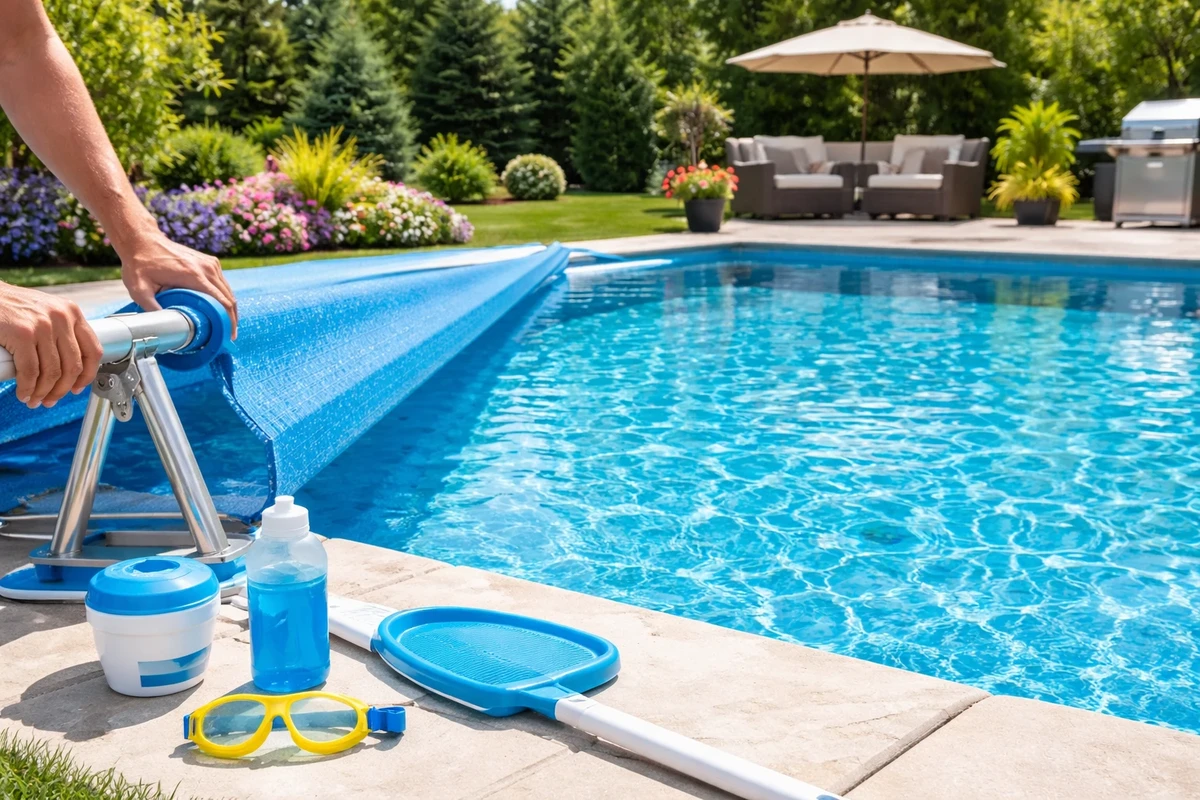
- Skimming the Surface: Your pool’s surface naturally collects leaves, insects, pollen, and other debris. Skimming the water 2–3 times per week helps keep the pool looking clean while preventing debris from sinking and creating bigger maintenance issues. A quality net skimmer is a simple but essential pool maintenance tool.
- Vacuuming the Pool: Debris that settles on the pool floor or clings to walls should be removed through routine vacuuming. Pool owners can choose between manual vacuums or automatic cleaners, including robotic and pressure-side options. Consistent vacuuming prevents staining, improves circulation, and supports overall pool maintenance.
- Shocking the Pool: Pool shocking introduces a concentrated dose of sanitizer—most commonly chlorine—to eliminate contaminants and organic buildup. This step is often necessary after heavy pool use, severe weather, or cloudy water conditions. Always follow manufacturer guidelines to ensure safe and effective pool maintenance.
- Checking and Adjusting the Water Level: Water levels can change due to evaporation, splashing, and backwashing. Maintaining the proper water level is critical for skimmers and filtration systems to function correctly and remain protected from damage. If your water drops to low on the skimmer it can run the pump dry and cause damage.
- Testing the Water Chemistry: Routine water testing is one of the most important aspects of pool maintenance. Key levels to monitor include sanitizer, pH, total alkalinity, and calcium hardness. Balanced water chemistry ensures comfortable swimming conditions and helps protect pool surfaces and equipment.
- Inspecting and Maintaining Pool Equipment: Regularly inspect pumps, filters, heaters, and skimmers to ensure they are operating efficiently and free of clogs. Checking seals, gaskets, and connections for wear or leaks is an important preventative pool maintenance step.
- Cleaning the Pool Filter: Whether your pool uses a cartridge, sand, or diatomaceous earth (DE) filter, regular cleaning is essential for proper water circulation and filtration. Always follow manufacturer recommendations to keep your filter performing at its best.
The Role of Pool Contractors and Pool Builders in Maintenance
While routine pool maintenance can be handled by many pool owners, professional support is sometimes necessary. Pool contractors and pool builders provide specialized services that help protect your investment, including:
- Seasonal Opening and Closing: Properly opening your pool in the spring and closing it in the fall is crucial for maintaining its longevity. Pool contractors can ensure this is done correctly, including balancing the chemicals, inspecting the equipment, and preparing the pool for the off-season.
- Repair and Renovation: Over time, pools may need repairs or upgrades. Pool contractors and builders can assess the condition of your pool and recommend necessary repairs or improvements, such as resurfacing, replacing liners, or upgrading equipment.
- Professional Cleaning and Maintenance: For those who prefer to avoid handling maintenance tasks themselves, pool contractors offer regular cleaning and maintenance services.
This ensures your pool remains in top condition without investing time and effort into its upkeep.
Cost Considerations of Pool Maintenance
The cost of maintaining a swimming pool can vary based on several factors, including the size of the pool, the type of equipment used, and the frequency of maintenance tasks. Here's a breakdown of potential costs:
- DIY Maintenance: You must invest in the necessary supplies to maintain the pool. These include a net skimmer, pool brush, pool vacuum (ranging from $100 to $600), pool shock, water testing strips, filter cleaner, and a pool cover. While this approach can be more cost-effective, it requires significant time and effort.
- Professional Maintenance Services: Hiring a pool contractor for regular maintenance can be more convenient, but it comes at a higher cost. These services typically include cleaning and chemical balancing to equipment checks and repairs. Although there are costs associated with hiring a professional, proper maintenance can help prolong or offset unexpected repairs and equipment failures.
- Unexpected Repairs and Replacements: Over time, pools may require repairs or replacements of parts like pumps, filters, liners, or covers. These costs can vary widely based on the repair's extent and the replacement parts' quality.
Tips for Effective Pool Maintenance
- Establish a Routine: Consistency is key in pool maintenance. Set a schedule for regular tasks like skimming, vacuuming, and chemical testing.
- Stay Informed: Keep yourself educated about pool maintenance techniques and best practices. This can involve reading up on the subject, attending workshops, or consulting with pool professionals.
- Invest in Quality Equipment: Using high-quality equipment for cleaning and maintenance can make the process more efficient and effective. Consider the long-term benefits of investing in durable and reliable tools.
- Monitor the Pool Environment: Weather, usage patterns, and surrounding vegetation can affect your pool's maintenance needs. Be observant and adjust your routine as necessary.
- Seek Professional Help When Needed: Don't hesitate to call in a pool contractor or builder for tasks beyond your expertise or regular check-ups to ensure everything is functioning correctly.
Maintaining a swimming pool requires ongoing attention, knowledge, and occasional professional expertise. By prioritizing regular pool maintenance, following a comprehensive care routine, and seeking professional services when needed, pool owners can ensure their pool remains safe, efficient, and enjoyable year after year.
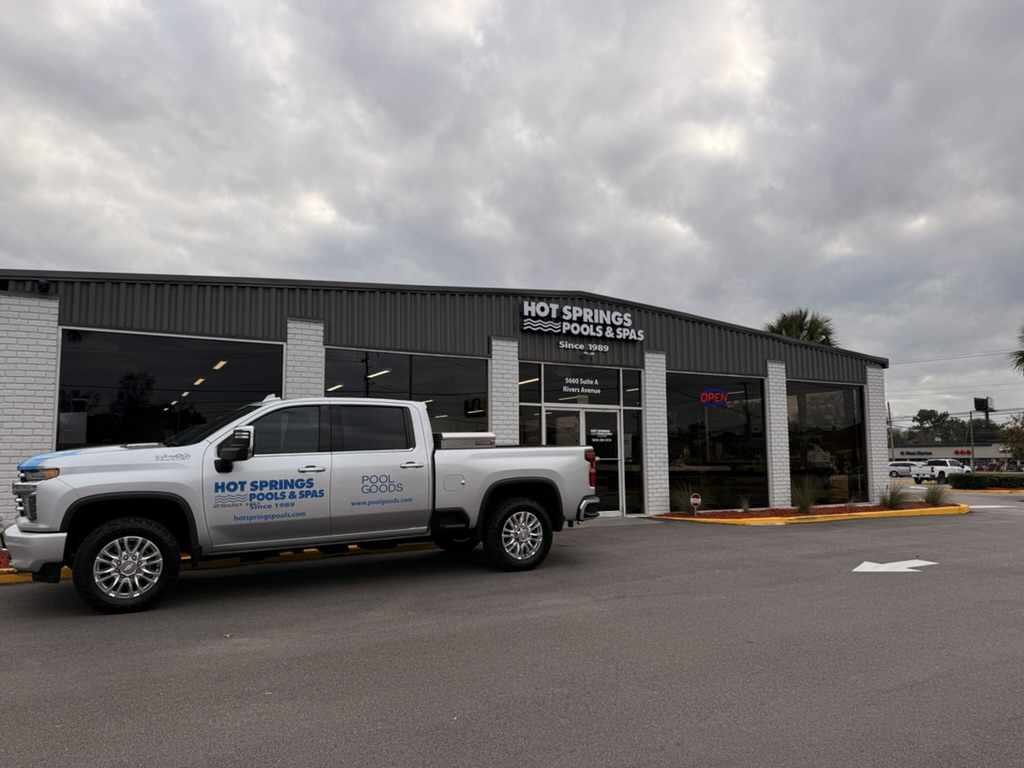
Navigating the complexities of pool ownership, from construction to ongoing maintenance, requires a trusted and knowledgeable partner, and this is where Hot Springs Pools & Spas excels. As a one-stop shop for all your pool needs, they offer expert guidance on energy-saving strategies, state-of-the-art equipment upgrades, and comprehensive maintenance services. Their experienced professionals are dedicated to ensuring your pool remains a sustainable and enjoyable asset. With Hot Springs Pools & Spas, you gain exceptional service and peace of mind, knowing that every aspect of your pool's care and efficiency is handled by the best in the business.
If you want to learn more about our service offerings, check out our Pool Service Page or Contact us for more.


.jpeg)
.jpeg)


